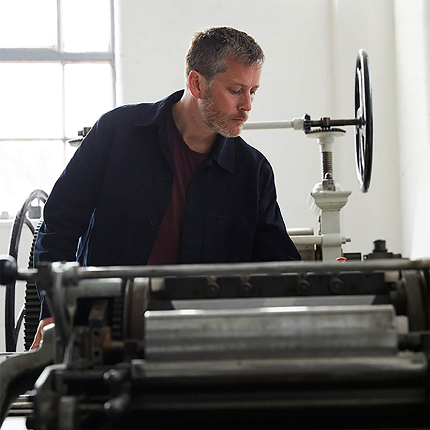
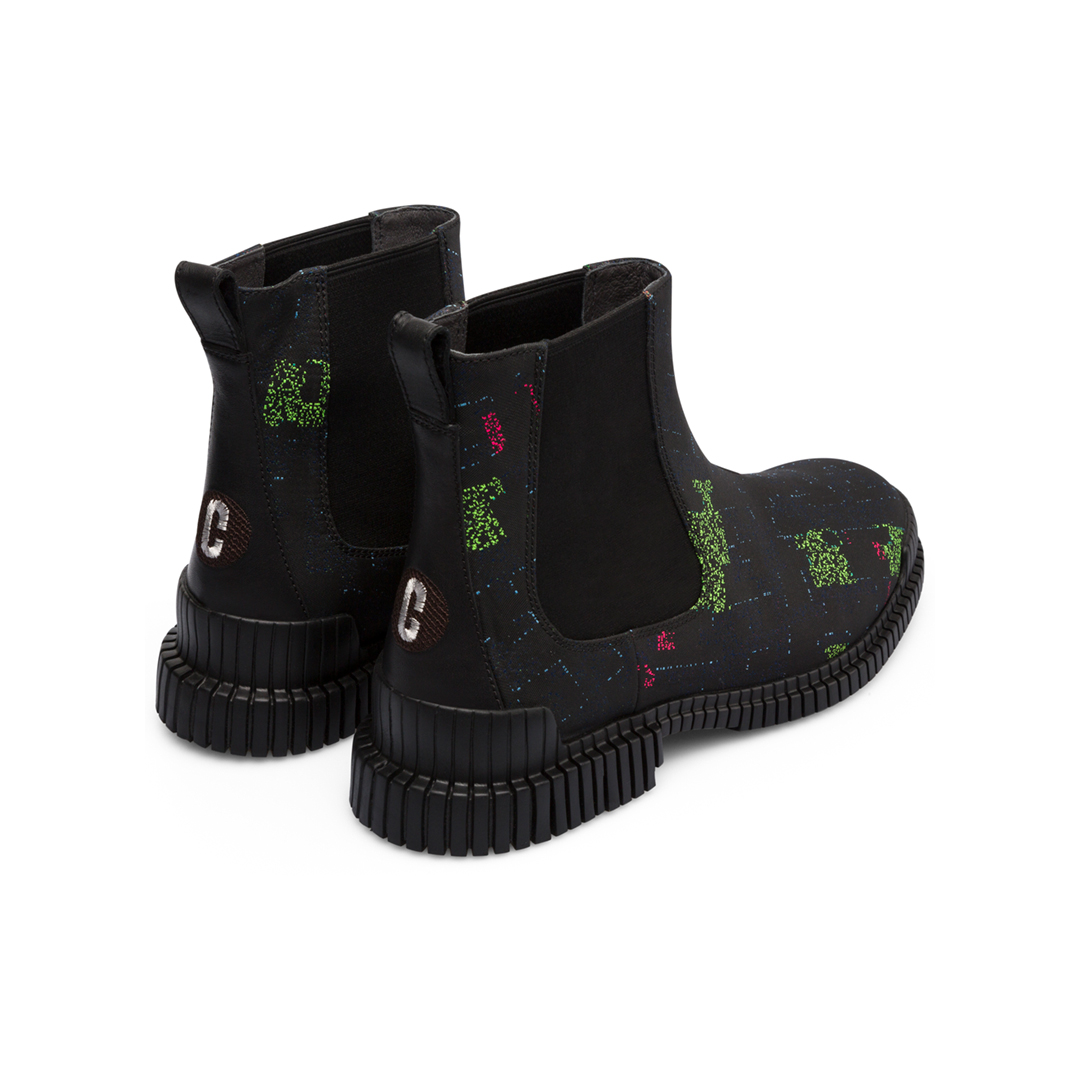
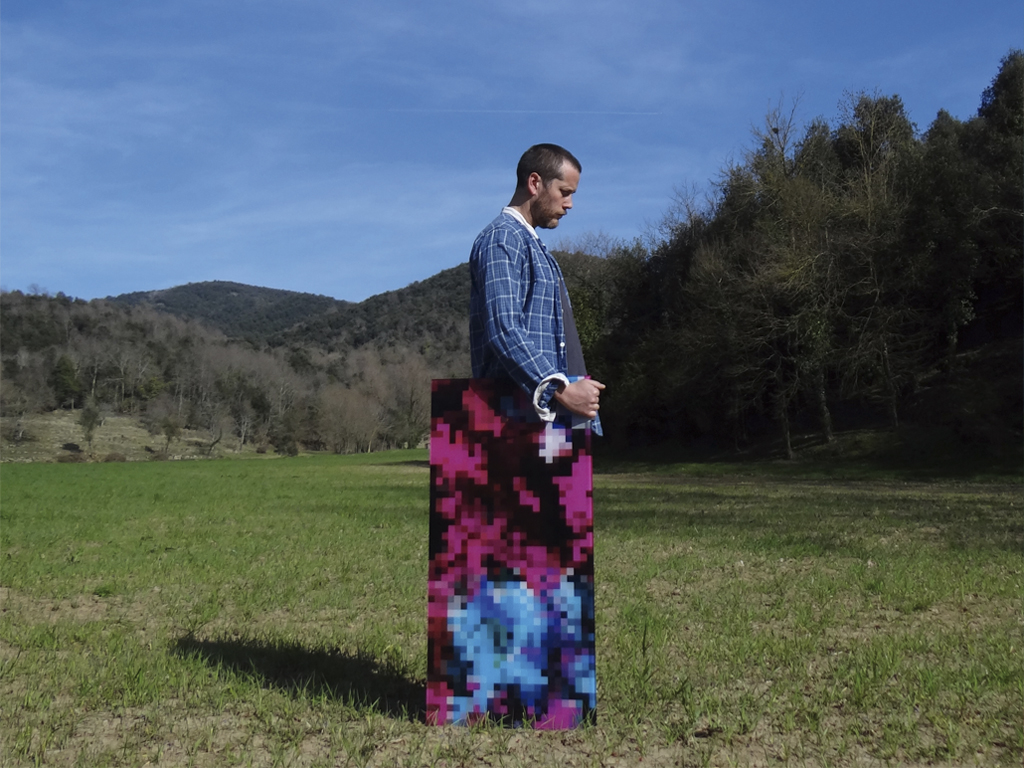
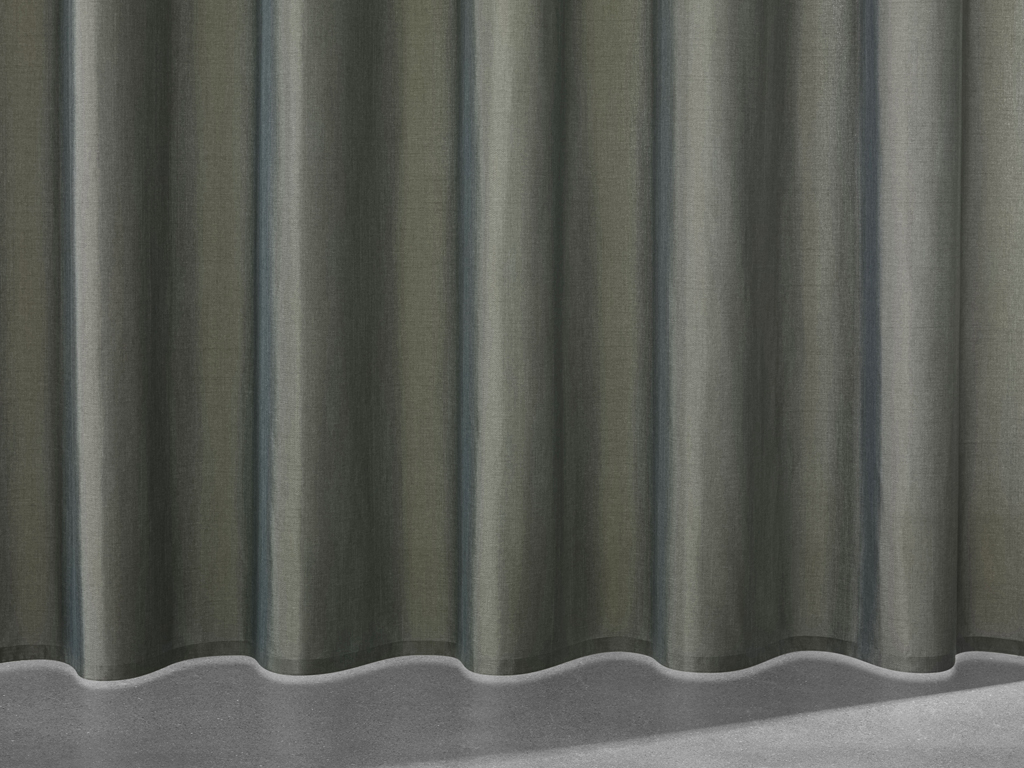
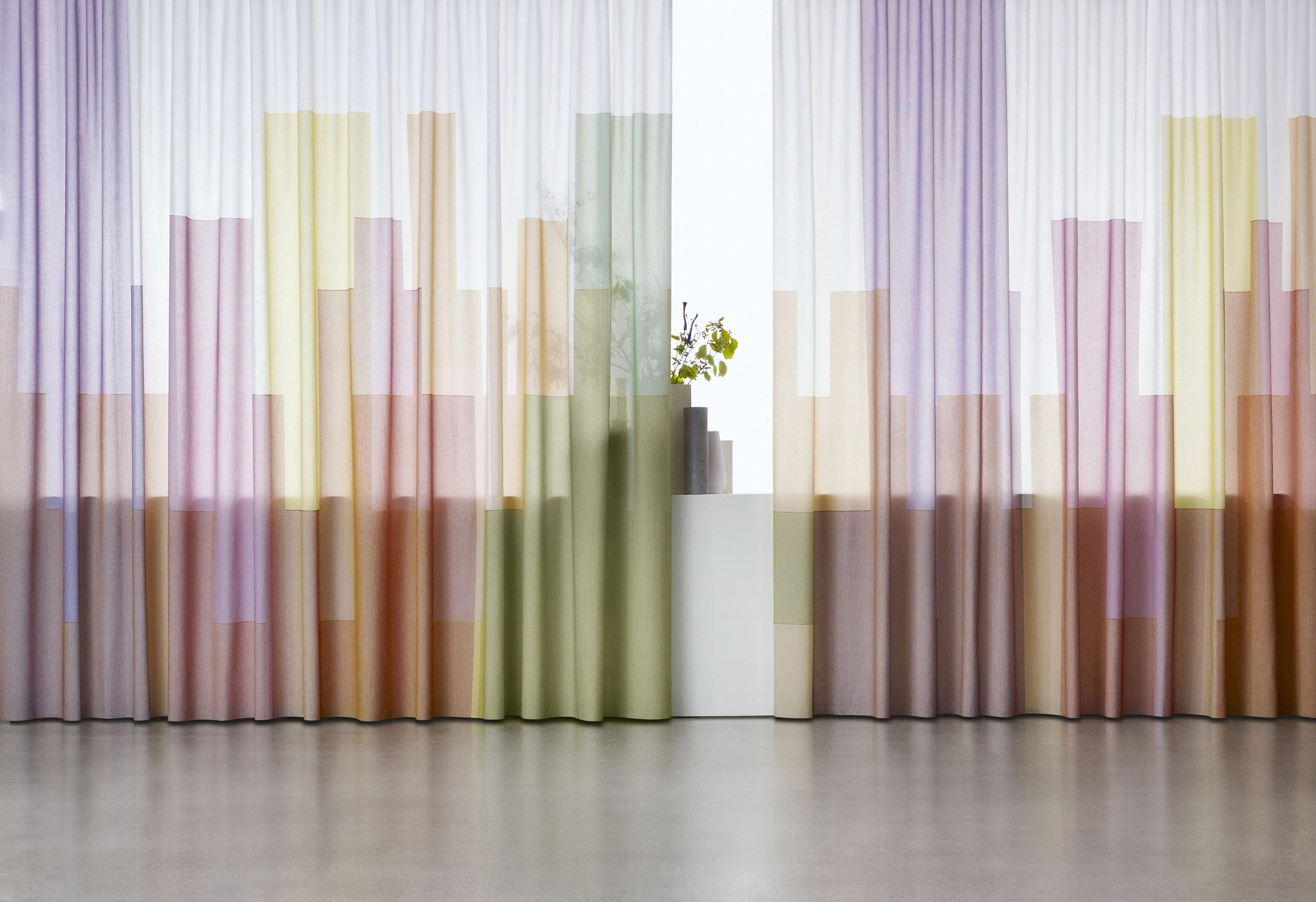
Cristian Zuzunaga (Barcelona, 1978) lives and works in Bristol.

Working across printmaking, photography, textiles, installation and writing, his practice investigates relationships between matter, perception, language and systems.

Rather than moving between disciplines, the work follows a continuous inquiry. Biology, typography, architecture, moving image and digital culture are approached as interconnected fields through which patterns, repetition and transformation can be observed.

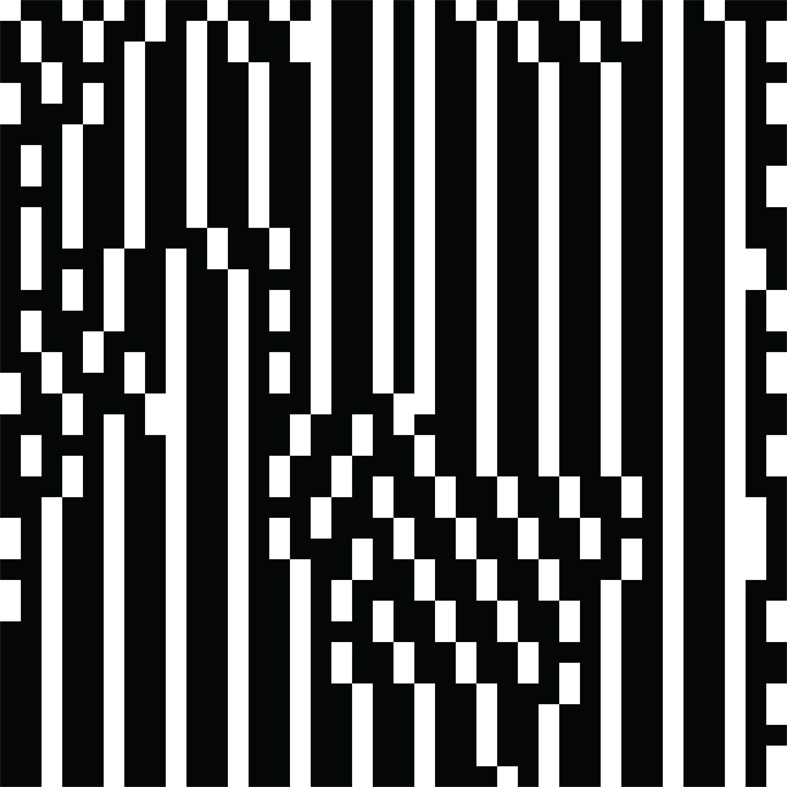
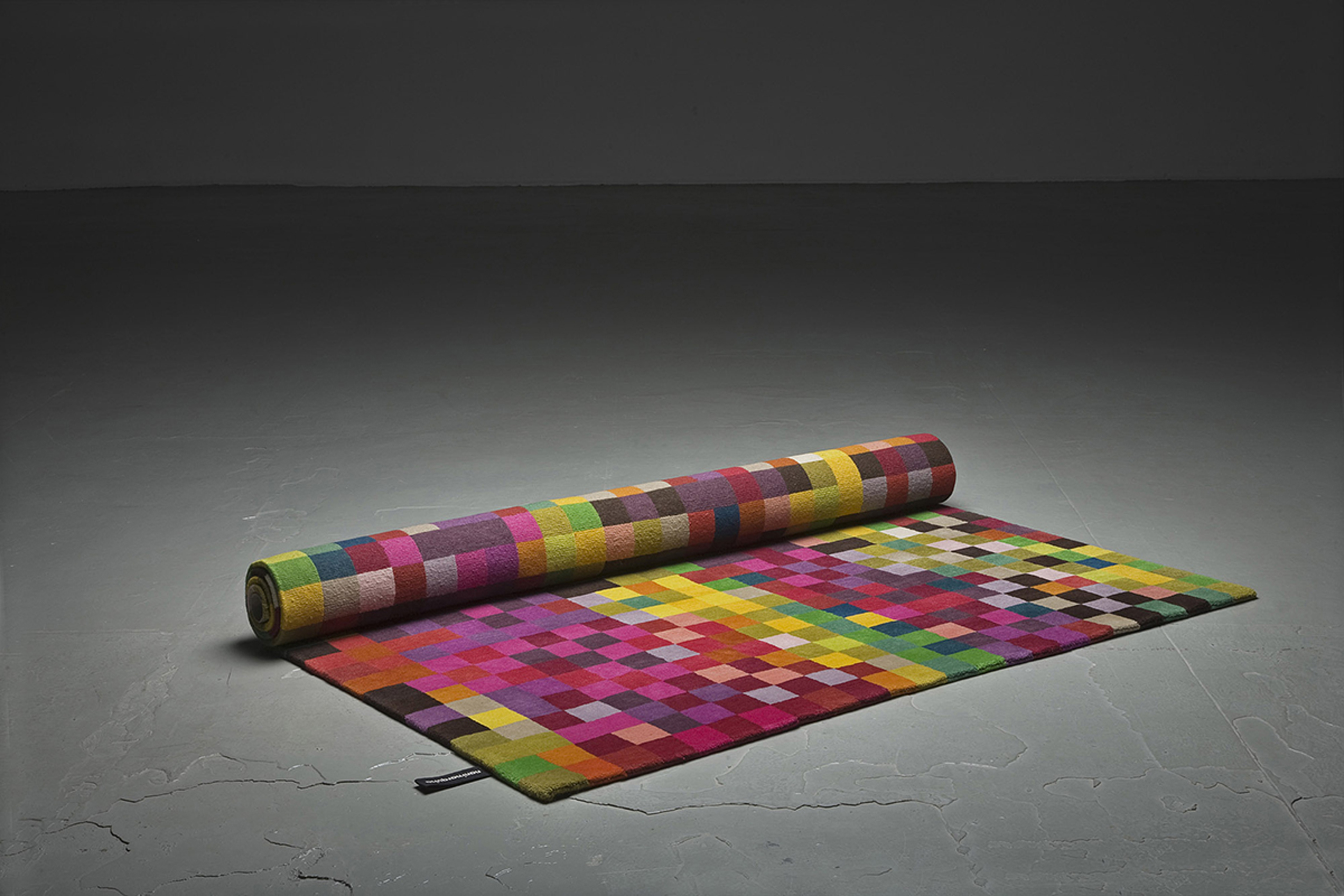
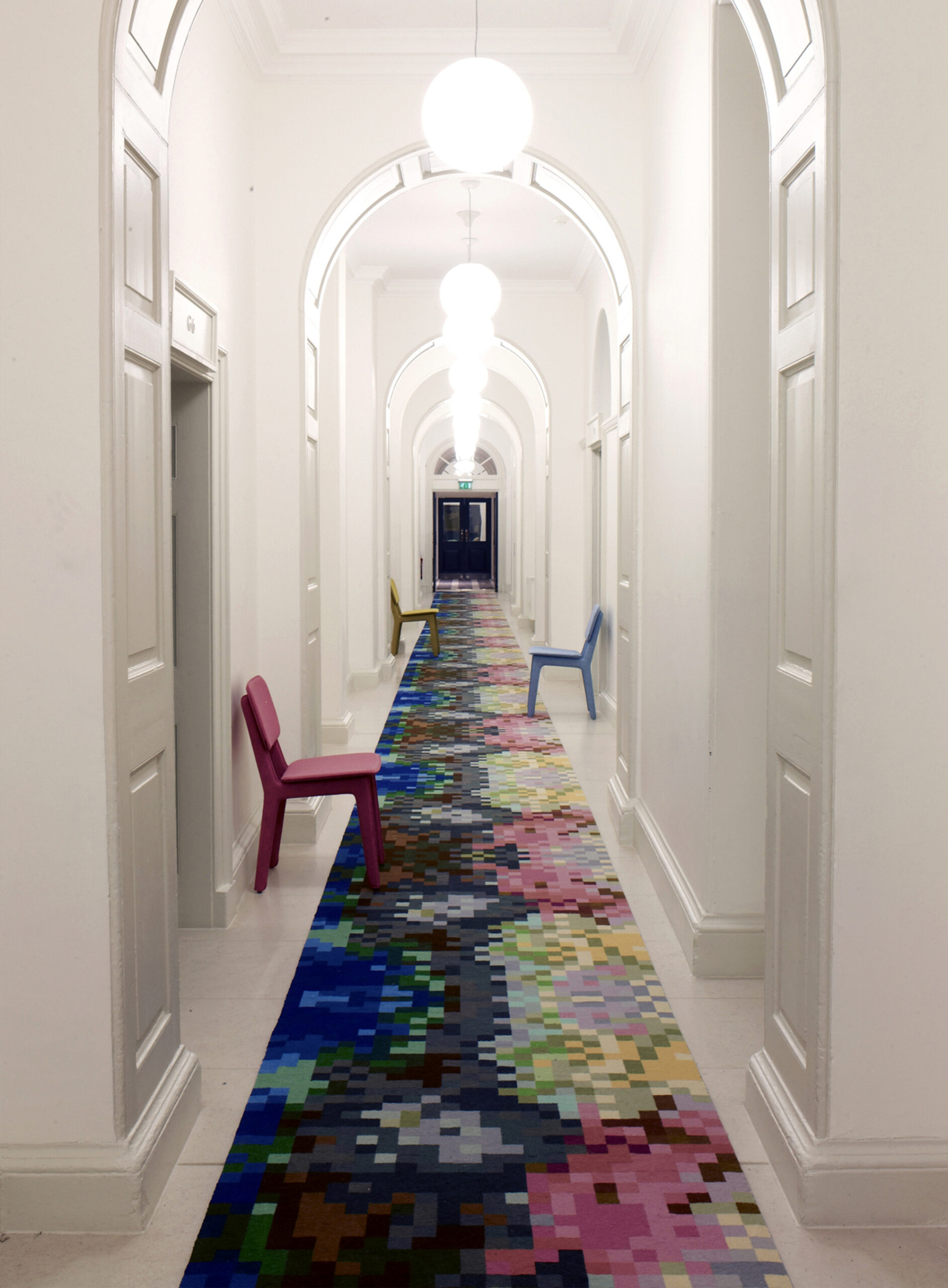
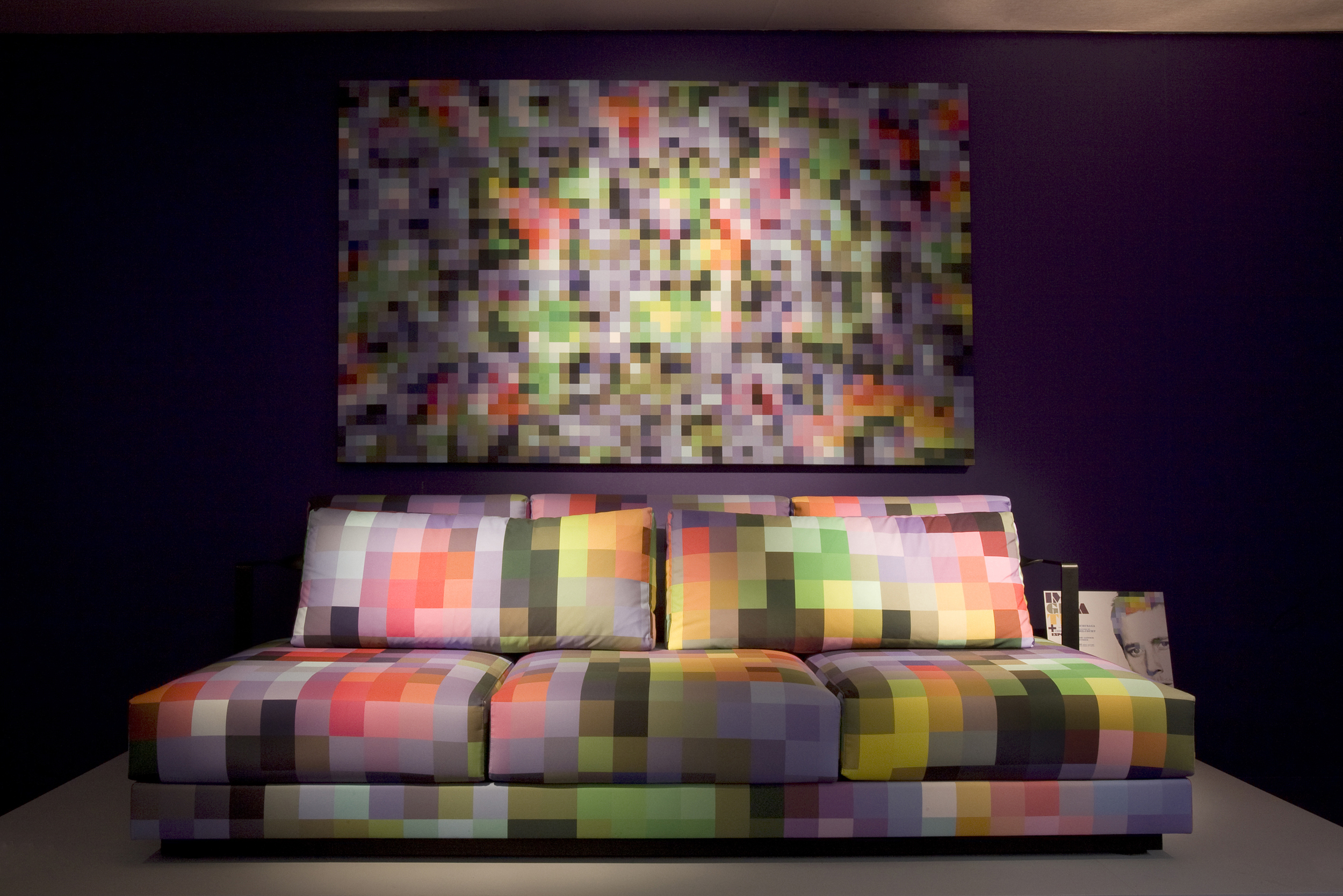
Since 2004, the square has served as the fundamental unit of his practice. Chosen as a deliberate constraint, it has become a generative structure through which printing, weaving, architecture, pixels and spatial organisation can be explored.

The practice operates through conditions rather than themes.

It examines structure, perception, and presence through repetition, constraint, and scale.

Across media – letterpress, photography, digital processes, and spatial work – the same logic applies: form emerges from repetition; coherence from constraint.

Representation is reduced. Surface becomes active. Interference becomes visible.

The work moves between fragment and field, between material and signal, maintaining continuity across scales.

Whether working with image, matter, or space, the aim remains consistent:

To cultivate attention through structure.

The practice is cumulative rather than narrative.
A system of conditions, revisited and refined.

Making begins with observation rather than intention.

The work develops from units. A unit is repeated, organised, edited and related to other units until larger structures emerge.

Materials are not neutral. Paper records pressure. Ink records contact. Thread records tension. Light records time. Each material establishes its own conditions, and the method adapts accordingly.

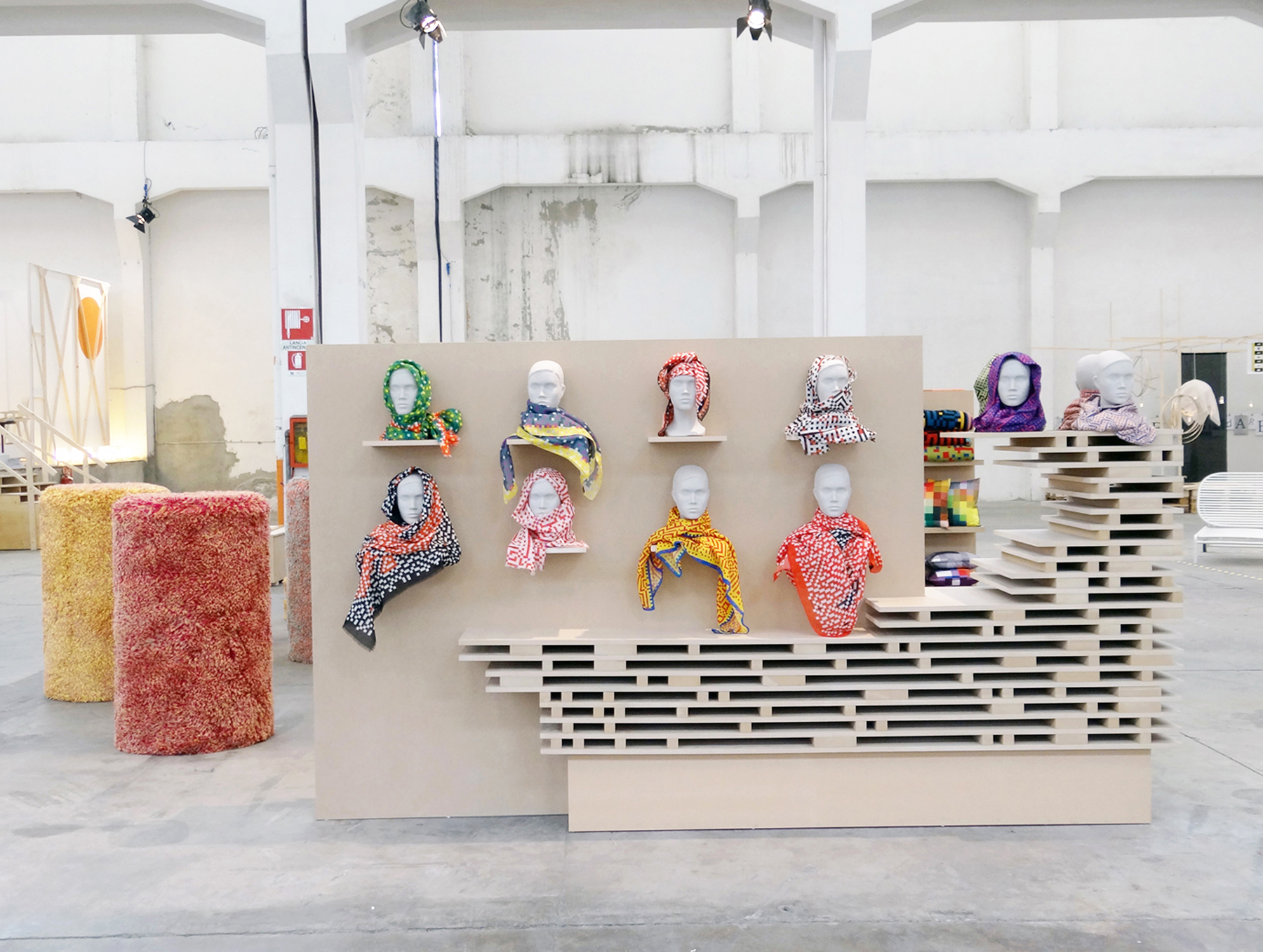
Photography, printmaking, weaving, writing and digital processes are approached through the same underlying logic. Different materials. A continuous enquiry.

Editing is not reduction for its own sake. It is a way of revealing structure.

The method does not seek illustration. It seeks relationships through which meaning can emerge.

Viewing is an active practice.

Attention is neither immediate nor passive. It develops through time, repetition and return.

The work does not ask to be understood at once. It invites movement between detail and whole, fragment and field, image and structure.

Looking becomes a process of relating rather than identifying. Meaning emerges gradually as relationships accumulate.

The viewer is not asked to decode the work, but to participate in its unfolding.

Attention is both the method and the material in which the work is encountered.

On Making

Making begins with observation rather than intention.

The work develops from units. A unit is repeated, organised, edited and related to other units until larger structures emerge.

Materials are not neutral. Paper records pressure. Ink records contact. Thread records tension. Light records time. Each material establishes its own conditions, and the method adapts accordingly.

Photography, printmaking, weaving, writing and digital processes are approached through the same underlying logic. Different materials. A continuous enquiry.

Editing is not reduction for its own sake. It is a way of revealing structure.

The method does not seek illustration. It seeks relationships through which meaning can emerge.

On Viewing

Viewing is an active practice.

Attention is neither immediate nor passive. It develops through time, repetition and return.

The work does not ask to be understood at once. It invites movement between detail and whole, fragment and field, image and structure.

Looking becomes a process of relating rather than identifying. Meaning emerges gradually as relationships accumulate.

The viewer is not asked to decode the work, but to participate in its unfolding.

Attention is both the method and the material in which the work is encountered.

studio@cristianzuzunaga.com